.png)
The Ultimate Yellowstone Day Trip
Plan the perfect Yellowstone day trip from Idaho Falls. Discover Old Faithful, Grand Prismatic Spring, Hayden Valley wildlife, and why Xhale Spa is the ideal base camp. Complete itinerary + tips.

The Xhale Advantage
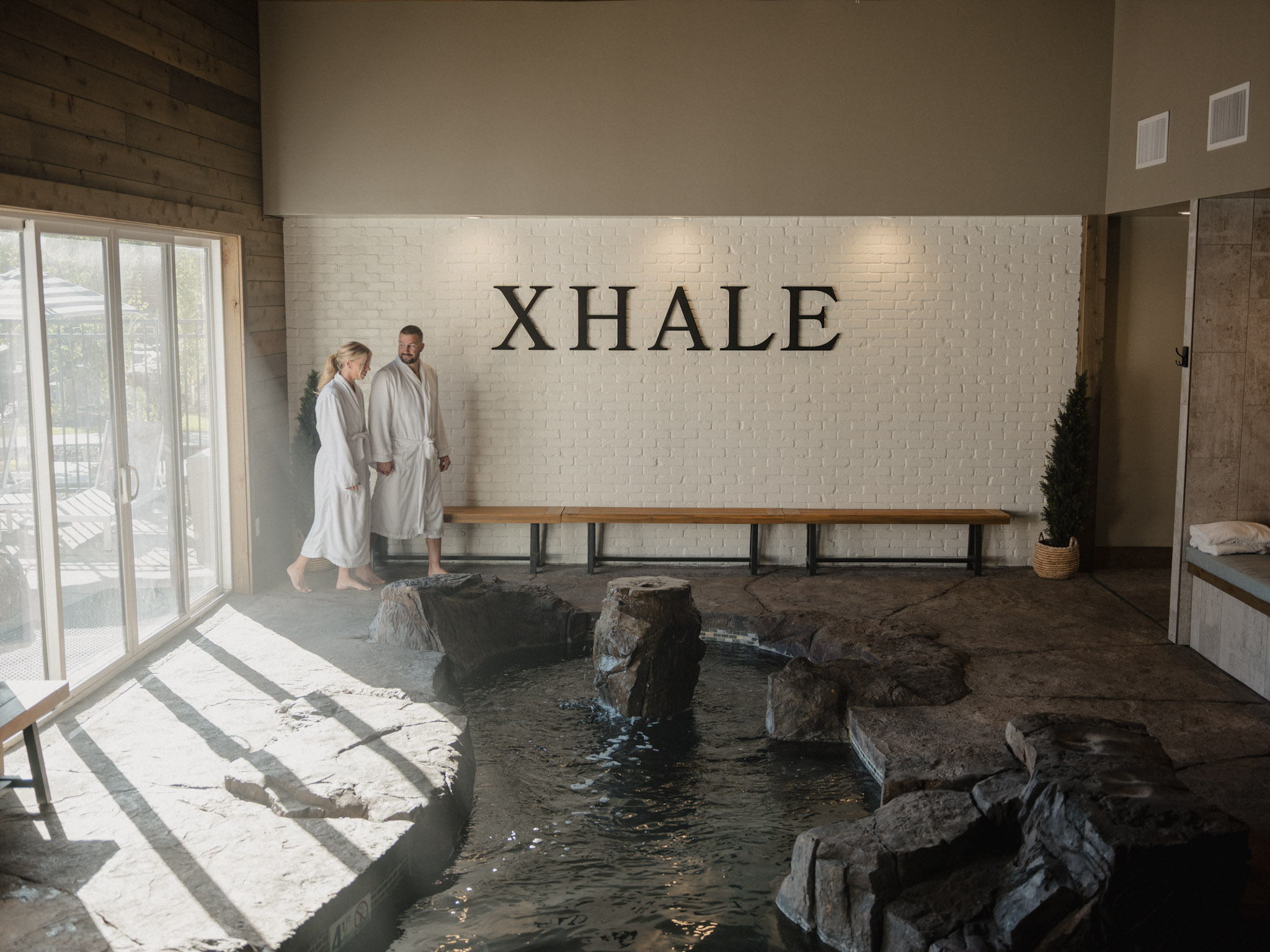
Other gateway options put you in a plain hotel room after a 10-mile day on Yellowstone's boardwalks. Xhale gives you hot pools, a massage, and an adjustable bed — at a fraction of Jackson prices, and just as close to the park.
Adventure in Every Season

Spring — Underrated and uncrowded. The West Entrance typically opens the third Friday of April. As snow pulls back from the valleys, wildlife moves to the lowlands where visibility is excellent.
Temperatures — Daytime mid-50s to low 70s°F. Nights drop into the 30s. Layer up.
Wildlife is concentrated and visible. Bears emerge with new cubs, bison calves (called "red dogs") appear in the valleys, and elk mothers shelter calves in willow stands. Snow keeps animals low, making sightings easier.
Wildflowers peak mid-June through July. Yellowstone's high elevation delays bloom compared to surrounding areas. Over 50 species across the park, including Indian Paintbrush, Lupine, Arrowleaf Balsamroot, and Mountain Bluebells.
Tours to consider:
- Yellowstone Wild Tours — Spring Wildlife Package — Small-group, naturalist-led multi-day packages focused on baby animal season in Lamar and Hayden Valleys. Popular dates sell out fast.
- Jackson Hole Wildlife Safaris — Spring Tours — Single and multi-day options with expert naturalist guides. Great for wildlife photography.
- CoveredGround Tours — Wildflower Tours — Custom guided tours focused on wildflower locations across the park.
From Xhale: Spring's cool temperatures make for perfect conditions to come back to Xhale's hot pools after a full day outdoors. The contrast is unbeatable.

Summer — Full access. Every road, trail, and visitor center is open. Wildlife is active, waterfalls are running high, and wildflowers are in bloom.
Crowds are the tradeoff. July and August bring peak traffic and packed parking lots. Arrive at major sites before 10 AM to get ahead of tour buses.
Wildlife activity is high. One local operator reported bear and wolf sightings on 95% of their summer 2025 tours, alongside bison, elk, coyote, and marmot.
Tours to consider:
- Adventure Tours of Yellowstone — Wildlife tours led by biologists. SUVs or Sprinter vans, lunch included, pickup from West Yellowstone.
- Yellowstone Wild Tours — Wildlife watching and hiking with naturalist guides. Family-friendly options available.
- Yellowstone Vacation Tours — Upper and lower loop bus tours from West Yellowstone, April through October.
Book spa appointments when you book your room — summer fills fast. Reserve here.

Fall — The best single visit window. Crowds drop, temperatures cool, and the park takes on a golden tone. Morning mist over geyser basins. Less congested trails.
The elk rut runs early September through mid-October. Bull elk bugle to establish dominance and attract females. The sound carries across entire valleys. Best viewing areas: Mammoth Hot Springs, Lamar Valley, Slough Creek, Hayden Valley, and along the Madison River near the West Entrance.
Bears are highly visible in fall. Pre-hibernation feeding (hyperphagia) makes them more active and easier to spot than most other times of year.
Tours to consider:
- Yellowstone Forever — Fall Wolf & Elk Discovery Package — 5-day guided lodging and learning package focused on wolf and elk viewing in the northern range and Mammoth area. September–October.
- Old Faithful and Friends Tours — Fall Elk Rut Tours — Expert-guided tours to prime elk rut viewing spots including Mammoth Hot Springs and Lamar Valley.
- Adventure Tours of Yellowstone — Fall Wildlife Safari — Private guided safaris with a focus on fall wildlife behavior. Small groups, expert naturalist guides.
From Xhale: Fall is shoulder season at Xhale — spa availability tends to be better than summer, and the hot pools feel especially restorative on cool September evenings after a day in the park.

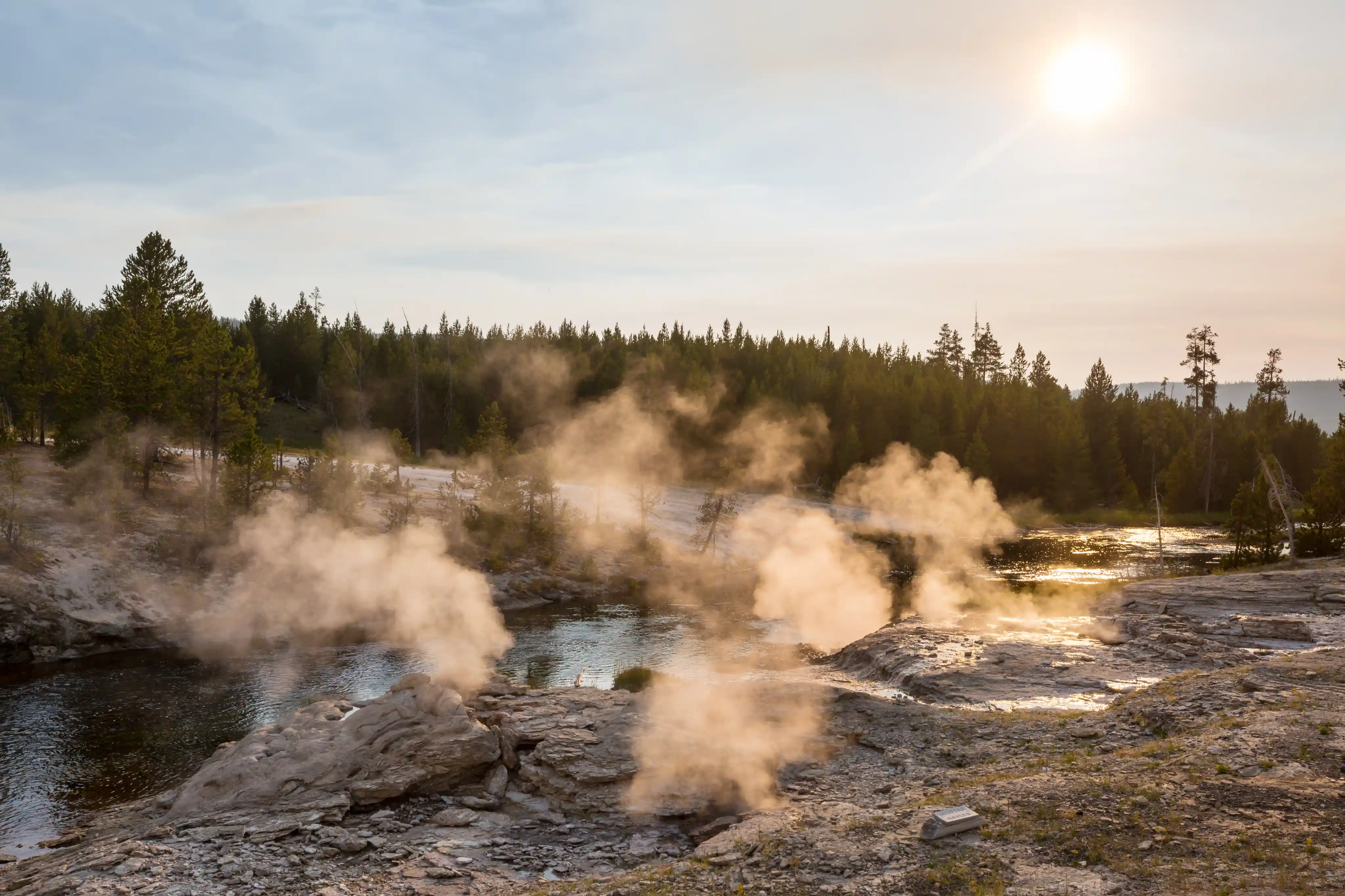
Winter — Quiet, remote, and unlike any other season. Snow-covered forests, steam rising from geysers, and very few other visitors.
Access requires planning. Most roads close to regular vehicles. The North Entrance near Gardiner, MT is the only standard vehicle entry point. Oversnow travel by snowmobile or snowcoach runs November through late April.
Wildlife viewing is excellent. Wolves are more active and visible in winter. Bison and elk cluster around geothermal areas for warmth, bringing them close to roads.
Tours to consider:
- Yellowstone Vacation Tours — Snowcoach Tours — Guided snowcoach tours from West Yellowstone to Old Faithful and the Grand Canyon of the Yellowstone, December through March.
- Yellowstone Vacation Tours — Guided Snowmobile Tours — Snowmobile tours to Old Faithful and Canyon Village departing from West Yellowstone.
- Greater Yellowstone Coalition — Winter Yellowstone Tour — Guided multi-day winter tour including snowcoach travel, snowshoeing, and expert naturalist presentations. Small group; limited availability.
- Yellowstone Wild Tours — Winter Wildlife Safari — Private wolf and wildlife-focused winter safaris in the Lamar Valley and Northern Range.
📍 Idaho Falls note: Winter Yellowstone access from Idaho Falls is best through the West Entrance in West Yellowstone, MT — the same route used for summer visits. Allow extra time for winter road conditions on US-20.
Drive time: ~2 hours · Entry fee: $35/vehicle · Best season: May–October
There are hot springs, and then there are Yellowstone hot springs. The world's largest active volcanic system has been bubbling, steaming, and erupting for millions of years — and from Xhale Spa & Resort's front door in Idaho Falls, you're just two hours from the West Entrance. No long haul from Salt Lake City. No $500 flights into Jackson Hole. Just a smooth drive north on US-20 and one of the most extraordinary places on Earth waiting at the end of it.
This guide gives you a full Yellowstone day trip itinerary — what to see, when to leave, where to eat, and how to make the most of every hour inside the park. We've also tucked in a few Xhale-specific tips, because after a full day on your feet, the hot pools back home hit different.
Why Idaho Falls Is the Best Base for Yellowstone
Most visitors drive 4–5 hours from Salt Lake City or Boise to reach Yellowstone's West Entrance. Staying at Xhale Spa & Resort in Idaho Falls cuts that to a flat two hours — almost entirely along the scenic US-20 corridor through Eastern Idaho's lava fields and high desert.
That extra buffer matters more than it sounds. Yellowstone is massive (2.2 million acres), traffic inside the park can be unpredictable, and bison jams are a very real thing. Starting two hours closer means you can leave a little later, stay a little longer, and still be back at Xhale in time for an evening soak in the hot pools — which, after walking Yellowstone's boardwalks all day, will feel like the geothermal gift of a lifetime.
Before You Go: Essential Prep
Download the NPS Yellowstone app (nps.gov/yell) before you leave Idaho Falls. It has offline maps and real-time Old Faithful eruption predictions — both invaluable once cell service disappears.
Fill your gas tank in Rexburg or Ashton. Gas inside Yellowstone runs significantly more expensive.
Entry fee: $35 per vehicle for a 7-day pass. You can purchase online in advance at recreation.gov to skip the entrance line.
Pack layers. Mountain weather changes fast, and afternoon thunderstorms roll through regularly in summer. A light down jacket, waterproof layer, and sturdy walking shoes are non-negotiable. Sunscreen too — the high-elevation UV is brutal.
The Yellowstone Day Trip Itinerary from Idaho Falls
6:30 AM — Depart Xhale, Idaho Falls
Leave no later than this. Yellowstone rewards early risers with thinner crowds, better wildlife activity, and softer morning light on the thermal features. Head north on I-15 to US-20 N through Rexburg, then on through Ashton and Island Park toward West Yellowstone.
The drive itself is worth appreciating — you'll pass through Idaho's high desert, volcanic lava fields from ancient eruptions, and the dense forests of the Caribou-Targhee National Forest as you climb toward the Montana border.
📍 Pro tip: Grab coffee and a breakfast sandwich in Rexburg or Ashton before the park. Dining options inside Yellowstone are limited and expensive.
8:30 AM — Arrive at West Yellowstone, Montana
Pick up your paper park map at the entrance station. The NPS rangers here can give you a real-time update on road conditions and any wildlife activity to look out for. West Yellowstone itself has a few good gear shops if you forgot anything essential.
9:00 AM – 11:00 AM — Old Faithful & the Upper Geyser Basin
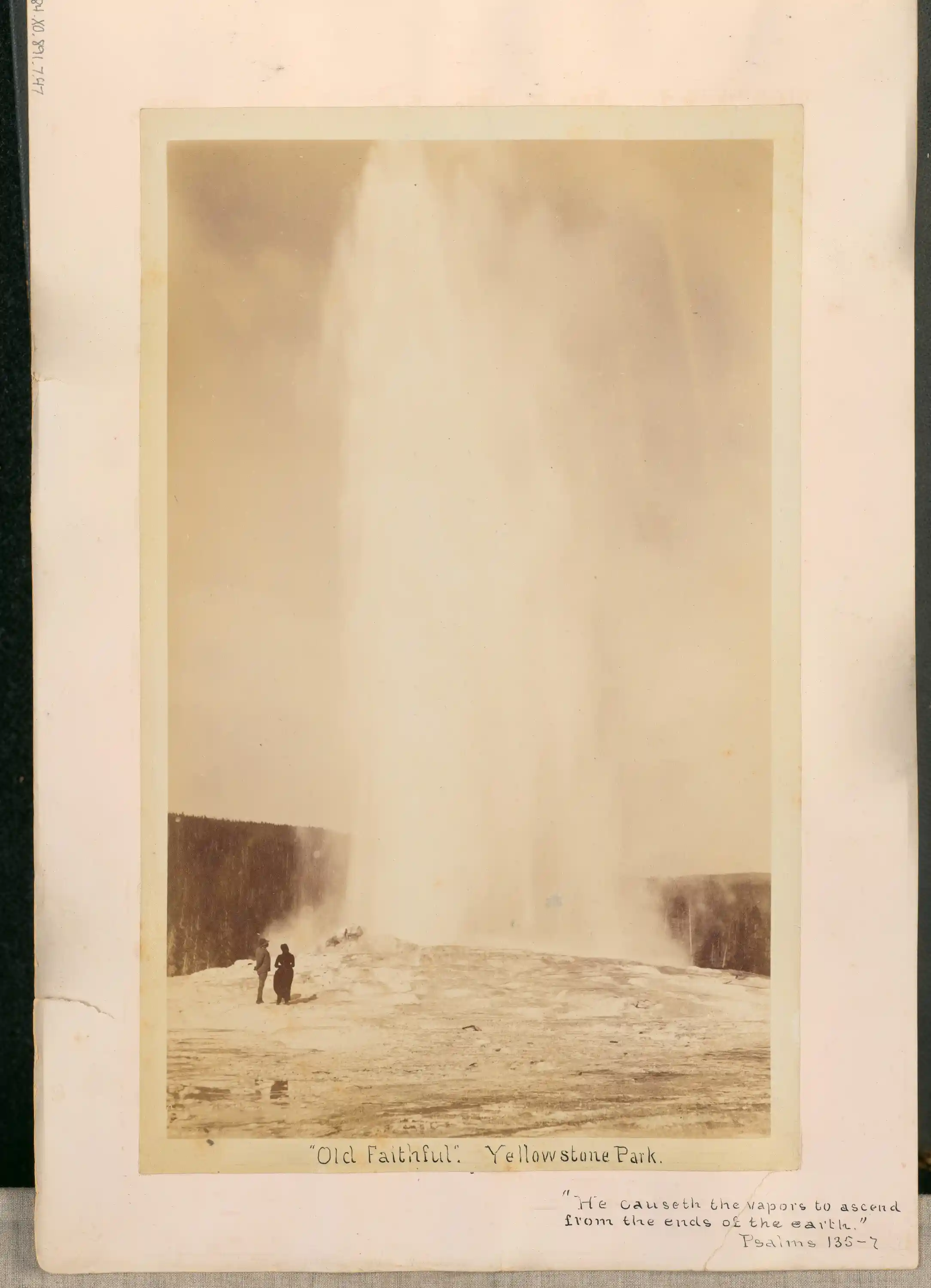
Old Faithful is the most famous geyser in the world — and it earns that title. Erupting nearly 20 times a day and shooting water 100 to 185 feet into the air, each show lasts between 1.5 and 5 minutes (NPS Yellowstone). The Visitor Education Center posts next predicted eruption times as soon as one finishes — aim to arrive 15 minutes before the next window to claim a good spot on the viewing platform.
After the eruption, don't rush back to your car. The Upper Geyser Basin boardwalk is the highest concentration of geysers anywhere in the world. Spend 45 minutes wandering past Castle Geyser (one of the park's oldest, with a massive cone built over thousands of eruptions), Beehive Geyser, and the stunning turquoise Morning Glory Pool — a thermal spring that changed color after decades of coins and debris being thrown in by tourists.
📍 Address: Upper Geyser Basin, Old Faithful, Yellowstone National Park
🍽️ Food: The Old Faithful Inn has a dining room and deli if you need a snack break.
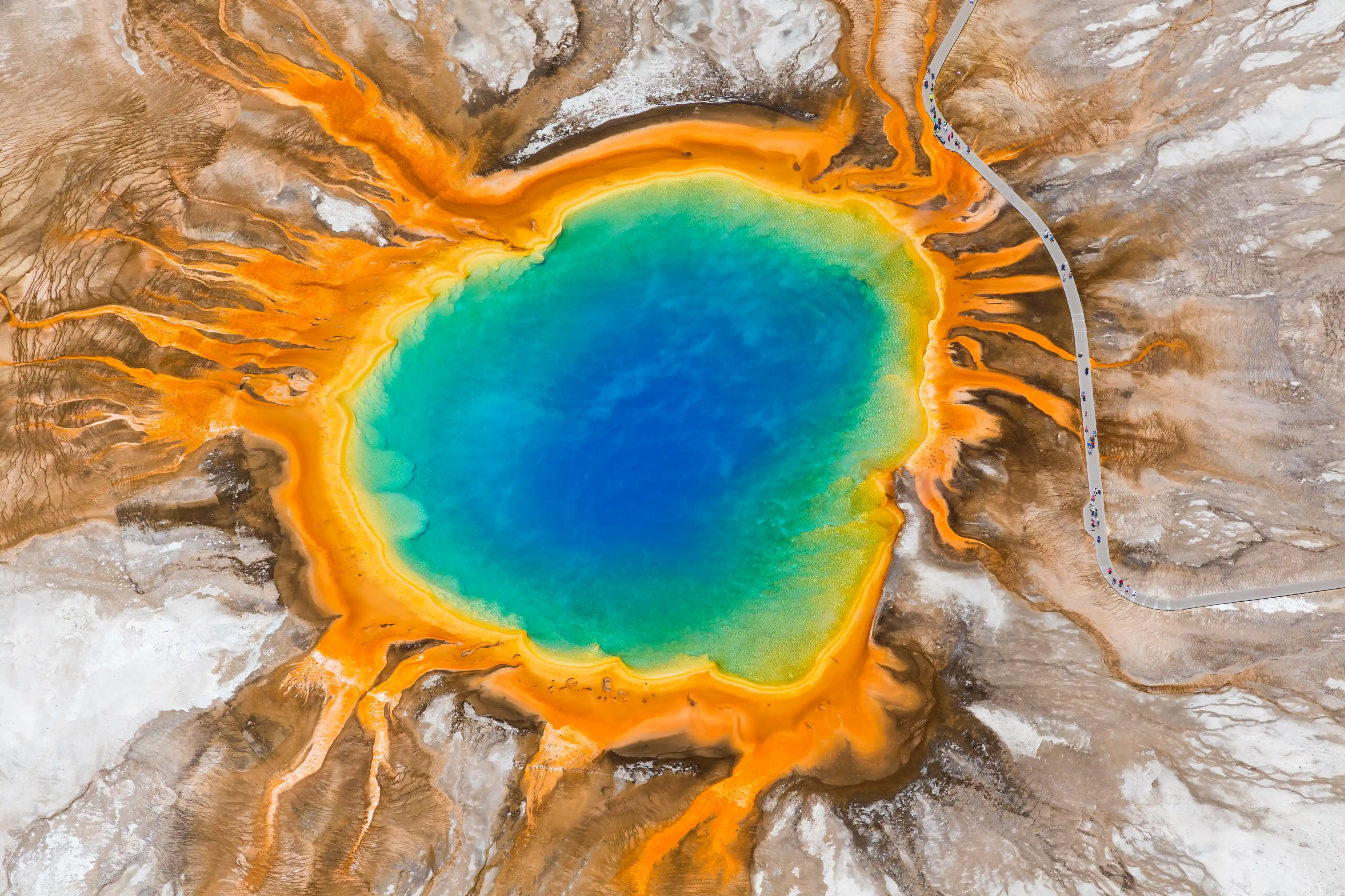
11:30 AM – 1:00 PM — Grand Prismatic Spring & Midway Geyser Basin
A 15-minute drive north from Old Faithful brings you to one of Yellowstone's most visually arresting sights: the Grand Prismatic Spring, the largest hot spring in the United States at over 300 feet wide and 100 feet deep (NPS).
The spring's jaw-dropping rainbow of color — deep blue center bleeding outward to green, yellow, orange, and rust-red at the edges — is caused by thermophile bacteria that thrive at different temperatures radiating out from the boiling core. It's one of the most photographed spots in any national park in America, and rightfully so.
Walk the boardwalk at the Midway Geyser Basin for up-close views. For the famous overhead perspective, hike the 1.6-mile round-trip trail from the Fairy Falls trailhead to the Grand Prismatic Overlook — a relatively easy climb that rewards you with a bird's-eye view of the full rainbow effect.
📍 Best colors: Mid-morning, before afternoon heat generates heavy steam that obscures the brilliant hues.
A fun thought for later: Yellowstone's Grand Prismatic is roughly the size of a football field and hot enough to cook you in seconds. When you're back at Xhale tonight, their hot pools offer that same blissful soaking sensation — minus the thermophiles, and very much plus the relaxation. Sometimes the tamer version of nature is the right call.
1:00 PM — Lunch
Two good options:
- Old Faithful Inn dining room or deli — convenient if you haven't eaten yet
- Firehole Canyon Drive picnic — take this scenic detour (a short loop road with dramatic basalt canyon walls and a seasonal swimming hole) and picnic alongside the Firehole River. Pack your own to save money and time.
2:00 PM – 3:30 PM — Hayden Valley Wildlife Drive
Drive northeast toward the heart of the park. Hayden Valley is a broad, open meadow along the Yellowstone River that wildlife biologists and park rangers often call the Serengeti of North America — and it's easy to see why (Lonely Planet).
Pull off at any turnout and scan the hillsides with binoculars. Bison are almost guaranteed. Grizzly bears, wolves, coyotes, and elk are regularly spotted from the roadside. Summer mornings and evenings see the most activity, but the mid-afternoon window is still productive.
📍 Tip: Bring binoculars. Most wildlife sightings happen at a distance, and the experience is dramatically better when you can actually see the animals. Never approach bison — they can sprint at 35 mph and are involved in more injuries at Yellowstone than any other animal.
3:30 PM – 4:30 PM — Grand Canyon of the Yellowstone
From Hayden Valley, it's a short drive to Canyon Village and the Grand Canyon of the Yellowstone — a vivid, jagged canyon carved by the Yellowstone River through rhyolite lava flows.
Stop at Lookout Point on the North Rim for the iconic view of the Lower Falls, which drop 308 feet — nearly twice the height of Niagara Falls (NPS Canyon). The canyon walls glow gold, orange, and white from hydrothermal alteration of the rock.
For the widest panoramic view, Artist Point on the South Rim is worth the short walk — it's the most photographed viewpoint in the entire park and frames the falls and full canyon in one sweeping shot.
5:00 PM — Begin the Drive Back to Idaho Falls
Head west through Madison Junction and exit via West Yellowstone. The evening light on the drive back through Eastern Idaho is beautiful — golden hour over the high desert and lava plains.
You'll be back at Xhale by 8:00–8:30 PM.
Back at Xhale: The Perfect End to a Yellowstone Day
After nine hours of boardwalks, wildlife scanning, and canyon viewpoints, your legs have earned a reward. Xhale's hot pools and spa services are the best possible punctuation mark on a Yellowstone day trip. Book a deep tissue massage or body treatment when you book your room — appointments fill quickly during summer.
📞 Book your stay: xhaledayspa.com
💆 Book spa services: go.booker.com/location/xhale
📍 Address: 1421 1st St, Idaho Falls, ID 83401 · (208) 227-3529
Frequently Asked Questions
How far is Idaho Falls from Yellowstone's West Entrance?
About 108 miles via US-20 N — approximately a 2-hour drive under normal conditions.
When is the best time of year to visit Yellowstone?
September is widely considered the best month: fewer crowds, the elk rut begins, fall colors emerge, and wildlife activity is high. July and August offer the most open roads and services but come with peak crowds. Late May and June are excellent for wildflowers and cooler temperatures (Earth Trekkers).
Can I see Old Faithful and Grand Prismatic in one day?
Yes — and this itinerary does exactly that. Both are in the southwest section of the park and are easily combined with Hayden Valley and the Grand Canyon of the Yellowstone in a single day.
Do I need a Yellowstone reservation?
As of 2025, no timed entry reservations are required for day visitors entering via the West Entrance. Check nps.gov/yell before your trip for any updates.
Is Yellowstone dog-friendly?
Dogs are allowed in Yellowstone but only in parking lots, campgrounds, and paved roads. They are not permitted on boardwalks, trails, or backcountry — which means they'd miss most of the highlights. Consider leaving pets at home for this trip.
Packing List for Your Yellowstone Day Trip
- Layers: fleece or down jacket + waterproof shell
- Sturdy walking shoes or trail runners
- Binoculars (essential for wildlife)
- Sunscreen + sunglasses (high UV at altitude)
- Reusable water bottles (stay hydrated — altitude masks thirst)
- Snacks and a packed lunch (cheaper and more flexible than park dining)
- Bear spray (recommended on any trails)
- Portable phone charger
- NPS Yellowstone app (downloaded offline before you leave)
Sources & Further Reading
Official Resources
- National Park Service — Yellowstone
- NPS — Old Faithful Geyser
- NPS — Grand Prismatic Spring
- NPS — Grand Canyon of the Yellowstone
- Idaho Road Conditions — 511.idaho.gov
Travel Guides
- Earth Trekkers — Yellowstone 1 to 5 Day Itinerary
- The Planet D — Grand Prismatic Spring Complete Guide
- Lonely Planet — Complete Guide to Yellowstone National Park
- Recreation.gov — Purchase Yellowstone Entry Pass
Xhale Spa & Resort
.webp)
.webp)